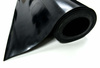
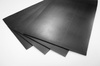
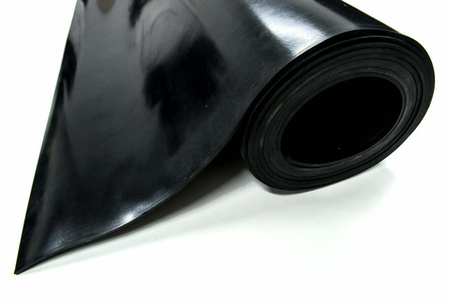
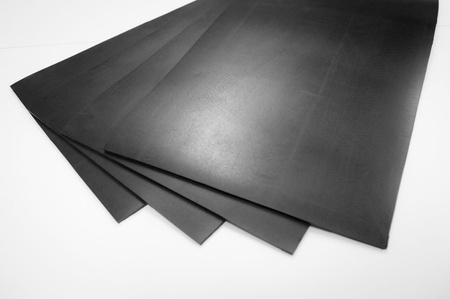
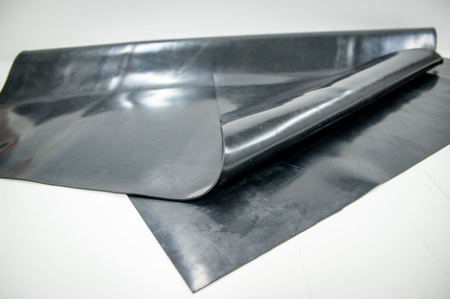
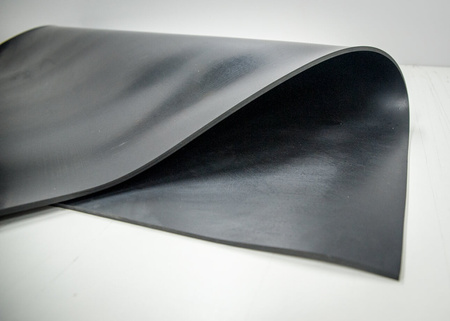
NBR / 3mm / 1,2x10m / SCP Select
- Rubber compound base: NBR Thickness: 3 mm Thickness: 1,2 m Lenght: 10 m
Subscription products in your shopping cart
Set one delivery frequency for all subscription products in your cart every:
Subscription products in your shopping cart
NBR Rubber Sheets
In industrial terminology, NBR rubber sheets are known as oil-resistant rubber. They are produced through the vulcanization of nitrile-butadiene rubber (NBR) – a synthetic material recognized for its resistance to oils, fuels, and greases. Unlike general-purpose SBR rubber sheets, NBR performs well in environments where contact with petroleum-based substances is likely.
SCP offers NBR rubber sheets in thicknesses ranging from 1 to 30 mm. Thinner sheets (1–20 mm) are supplied in roll form, while thicker variants are manufactured as pressed sheets in the 1 × 1 m format.
NBR sheets are widely used wherever resistance to oils, greases, and fuels is required. They are commonly applied as construction material in the automotive, hydraulic, pneumatic, and construction industries. They are often used for cutting gaskets, static seals, and spacers, and for protecting work surfaces, including workshop tables and benches — even in domestic applications.
However, it should be noted that NBR’s oil resistance is not absolute. It depends on the type of substance, its chemical aggressiveness, exposure time, and additional factors such as simultaneous UV radiation or elevated temperature. NBR sheets from the SCP Select line offer an optimal balance between resistance and price, and based on our experience, they perform reliably in most standard applications. Nevertheless, we always recommend testing the material with specific substances before use, especially in critical applications or in contact with aggressive media.
The operating temperature range in which NBR sheets maintain their mechanical stability is like that of SBR, from –20°C to +70°C.
Application Conditions and Limitations
Although NBR rubber is resistant to oils and greases, it does not withstand weathering, ozone, or UV radiation. Therefore, indoor use is recommended, avoiding prolonged exposure to sunlight. The material is not resistant to acids or alkalis, so it is advisable to conduct a test in conditions similar to the intended environment before use in chemically aggressive applications.


