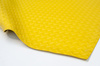
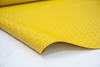

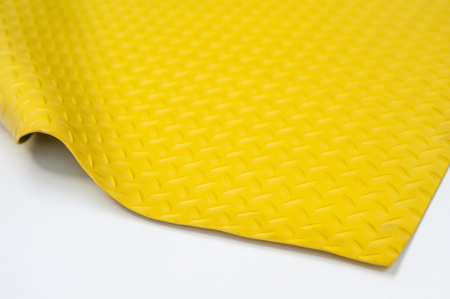
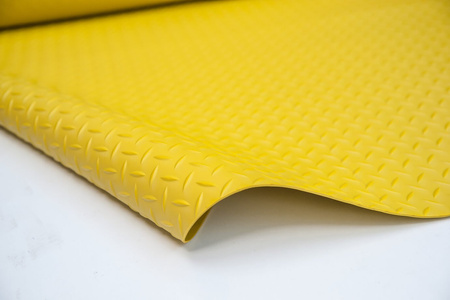
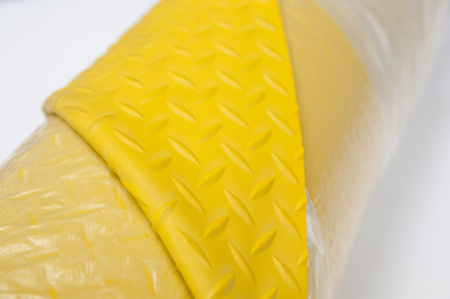
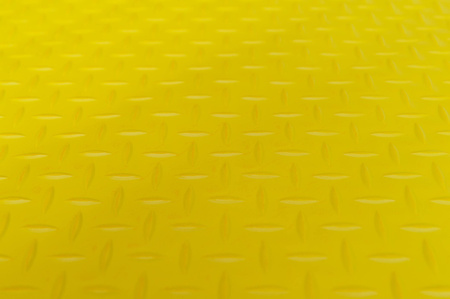
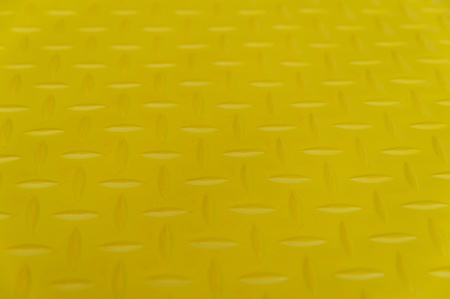
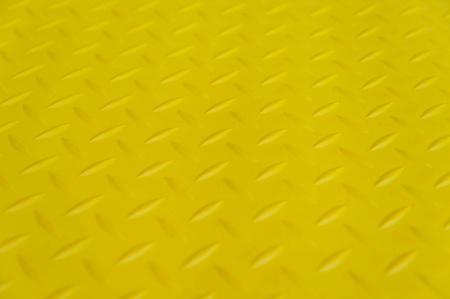
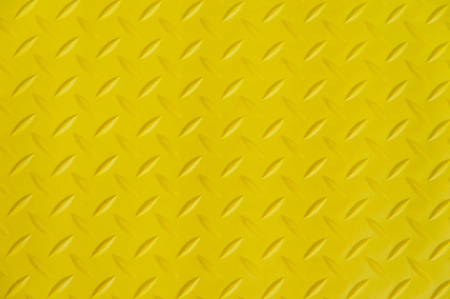
Młotek TPE Żółty / 3mm / 1,2x10m / SCP Select
- Rubber compound base: TPE Thickness: 3 mm Width: 1,2 m Lenght: 10 m
Subscription products in your shopping cart
Set one delivery frequency for all subscription products in your cart every:
Subscription products in your shopping cart
Młotek (Hammer) flooring – TPE
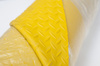
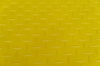
Hammer TPE flooring is a modern version of classic hammer flooring in which traditional SBR rubber has been replaced with a thermoplastic elastomer. The surface features a characteristic embossed hammer pattern. Its texture is similar to checker‑pattern floorings and the surface resembles the reinforcing embossments found on industrial steel plate. This structure helps to mask minor dirt and scratches while improving footwear grip compared to a smooth surface. The product is thermoplastically formed and supplied in rolls of standard lengths and widths, making it easy to cut by hand with a utility knife and to adapt to the shape of rooms, traffic routes or workstations.
The base of the hammer TPE flooring is a thermoplastic elastomer compound with increased mechanical strength and enhanced chemical resistance compared to standard SBR rubber. The flooring effectively dampens vibrations and noise, improves walking comfort and protects the substrate against mechanical damage such as impacts and abrasion. It performs well on concrete floors in garages, workshops, warehouses, service back rooms and technical corridors, as well as as a surface finish in storage areas and on worktops – particularly where resistance to changing environmental conditions and frequent cleaning is important. Hammer TPE flooring is an industrial‑grade product – immediately after unpacking a noticeable material odour may be present, which gradually fades over time with adequate ventilation of the room.
Application conditions and limitations
The TPE compound used in hammer flooring provides good resistance to mechanical wear and reliable performance within a wide, typical operating temperature range (approximately from -30°C to +70°C, depending on the specific formulation). Compared to SBR rubber, the material offers increased resistance to weathering, ozone and UV radiation, which allows the flooring to be used not only indoors but also in partially outdoor areas or locations with moderate sun exposure. Despite its improved resistance to petroleum‑based products and cleaning agents, TPE is not a fully chemically inert material – for planned long‑term exposure to aggressive media it is recommended to carry out a trial under actual service conditions. In areas with high traffic – especially wheeled traffic – it is advisable to consider permanently bonding the flooring to the substrate in order to increase stability and user safety.


