
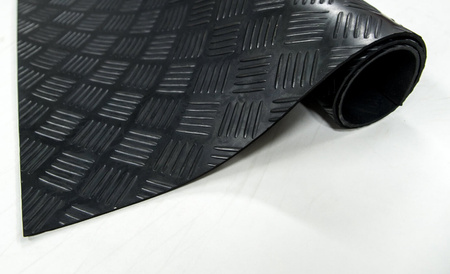
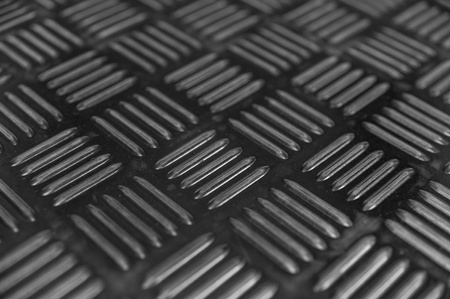
Checker / 3mm / 1,5x15m / SCP Select
- Rubber compound base: SBR Thickness: 3 mm Width: 1,5 m Lenght: 15 m
Subscription products in your shopping cart
Set one delivery frequency for all subscription products in your cart every:
Subscription products in your shopping cart
Checker flooring – solid SBR rubber
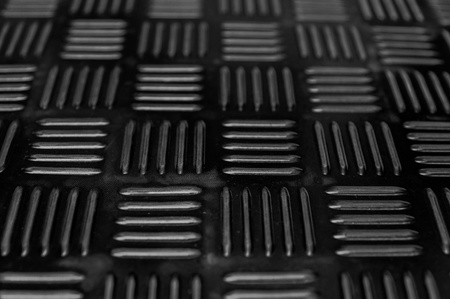
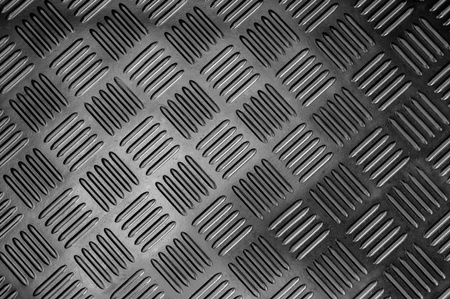
Checker rubber flooring made from solid SBR rubber is a commercial‑grade floor covering with a characteristic embossed “checker plate” pattern on the surface. It is a vulcanised product supplied in rolls of standard lengths and widths, easy to cut by hand with a utility knife and to adapt to the shape of rooms, traffic routes or workstations. The base material is a styrene‑butadiene rubber (SBR) compound – a general‑purpose rubber – which makes this flooring an economical solution for industrial and technical indoor applications wherever floor protection and improved user safety are important.
SBR checker flooring effectively dampens vibrations and noise, improves walking comfort and reduces the risk of footwear slipping thanks to its raised, directional surface pattern. It performs well as a finish for concrete floors in workshops, service back rooms, warehouses, ramps and working platforms, as well as in vehicle loading areas and on steps where increased traction is required. It can also be used as a material for worktops and storage surfaces, where in addition to protection against scratches, anti‑slip properties are important. Checker flooring is an industrial‑grade product – immediately after unpacking a noticeable rubber odour may be present, which gradually fades over time with adequate ventilation of the room.
Application conditions and limitations
The SBR rubber used in checker flooring is intended for use in chemically neutral environments, without continuous contact with oils, fuels, greases or aggressive chemicals. The material is not resistant to long‑term exposure to weathering, UV radiation or ozone, so the flooring should be used mainly indoors or in sheltered areas. Within a typical operating temperature range of approximately -20°C to +70°C it maintains stable mechanical properties; for applications close to the limits of this range, it is recommended to carry out a trial under actual service conditions and to verify the fixing method (loose‑laid or bonded to the substrate) depending on the expected loads.


